Monday, August 30, 2010

Barnes & Noble largest book retailer in the United States

Barnes & Noble, Inc. is the largest book retailer in the United States, operating mainly through its Barnes & Noble Booksellers chain of bookstores headquartered in lower Fifth Avenue in Lower Manhattan, New York City. Barnes & Noble also operated the chain of small B. Dalton Booksellers stores in malls until they announced the liquidation of the chain.

The company is known for large, upscale retail outlets, many of which contain a café serving Starbucks Coffee, and for competitive discounting of bestsellers. Most stores also sell magazines, newspapers, DVDs, graphic novels, gifts, games, and music. Video games and related items were sold in the company's GameStop retail outlets until October 2004, when the division was spun off into an independent company.

As of October 2009, the company operates 777 stores in all 50 U.S. states and the District of Columbia in addition to 636 college bookstores, which serves nearly 4 million students and 250,000 faculty members across the country.

On Aug 3, 2010, the company announced that its board was considering a sale of the company, possibly to an investor group led by its chairman, Leonard Riggio.


Masco


masco
masco city
masco city pictures
masco

Tuesday, August 17, 2010

Beautiful Places in USA on Your Desktop


Gateway Arch, St Louis, Missouri, USA


Gateway Arch, St Louis, Missouri, USA


Golden Gate Bridge From Baker Beach, San Francisco, California, USA


Lady Liberty, USA


Moon Over Mount Rushmore, South Dakota, USA


Scout Sculpture, Kansas City, Missouri, USA


Seattle Space Needle, Washington

Amazing Places


Wednesday, August 11, 2010

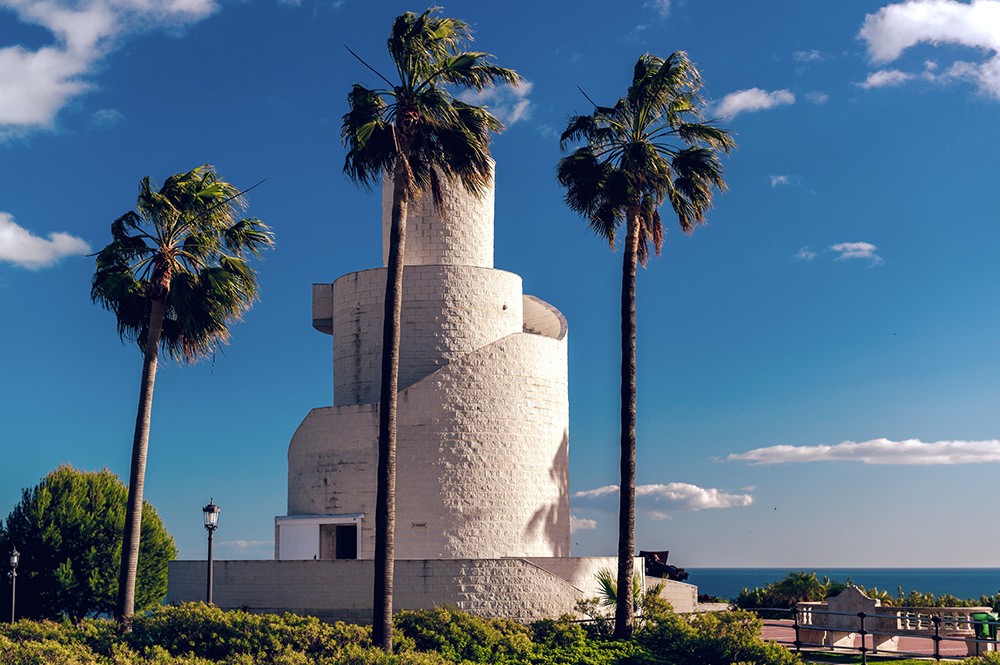
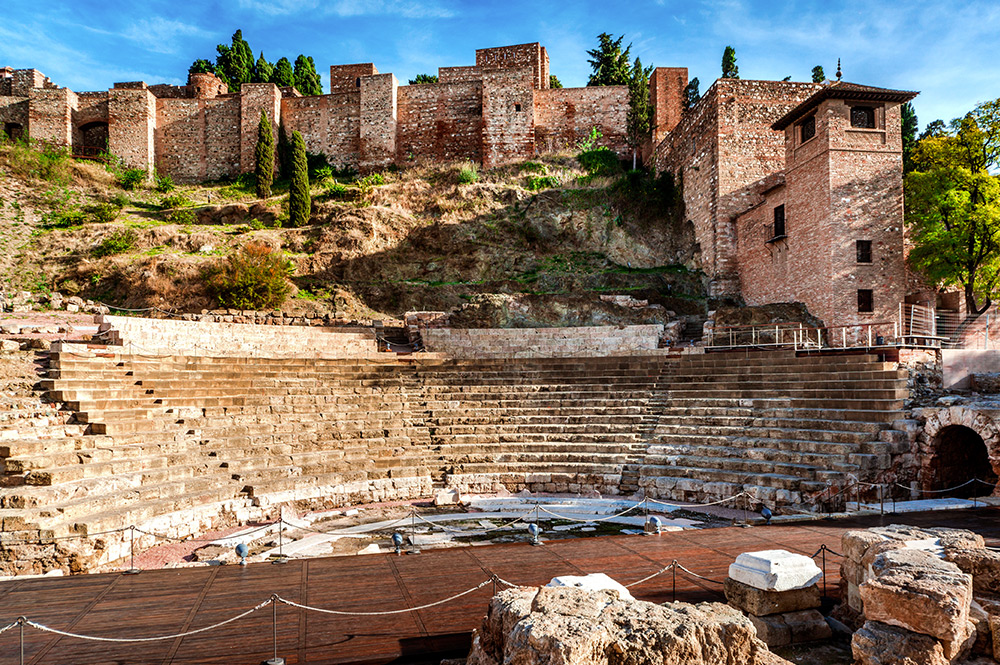
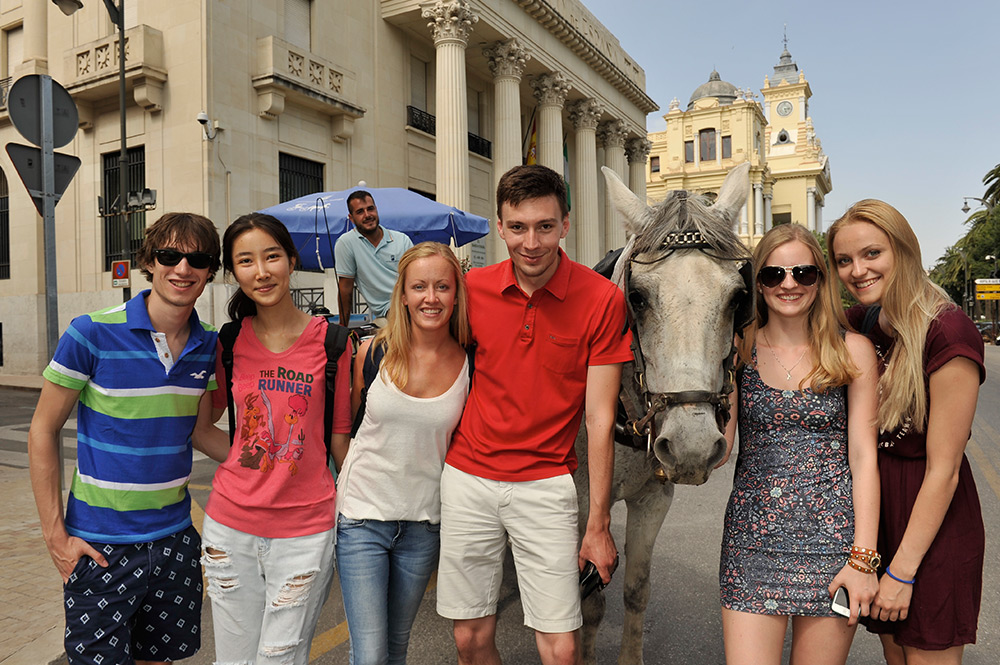
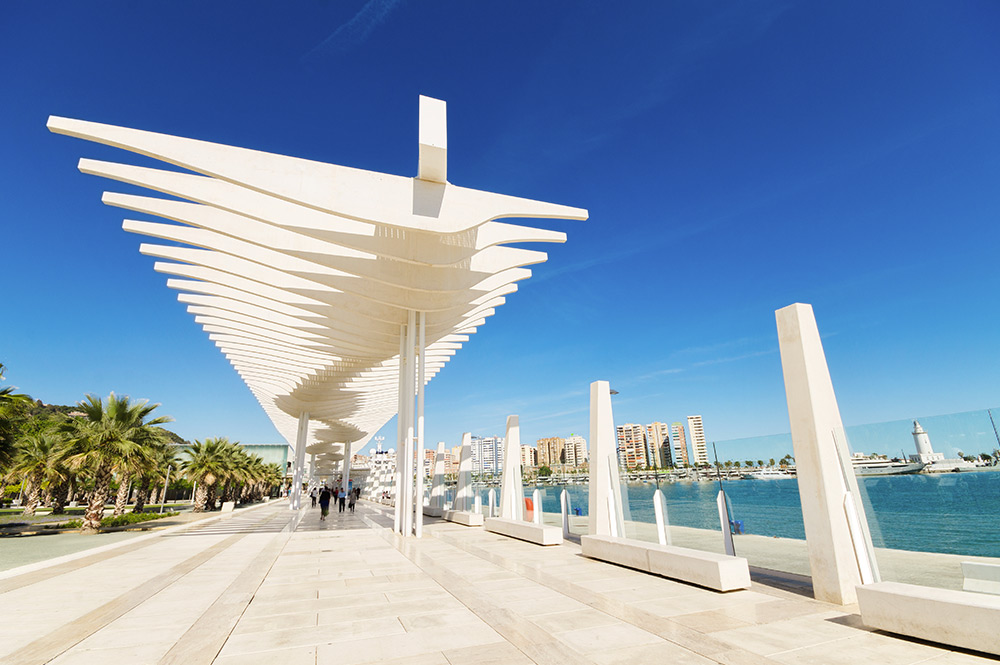
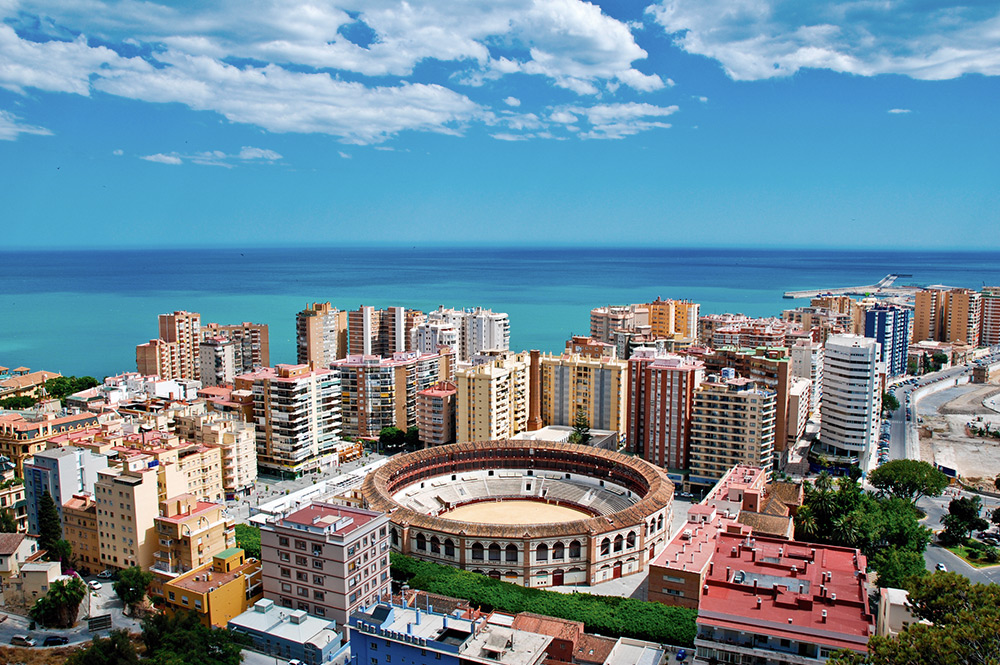
Malaga city

malaga city
malaga
malaga city
malaga
malaga

Istanbul (Greek

Istanbul (Greek: Konstantinoupolis, historically Byzantium and later Constantinople) is Turkey's most populous city, and its cultural and financial center. The city covers 25 districts of the Istanbul province. It is located at 41° N 29° E, on the Bosphorus strait, and encompasses the natural harbor known as the Golden Horn, in the northwest of the country. It extends both on the European (Thrace) and on the Asian (Anatolia) side of the Bosphorus, and is thereby the only metropolis in the world which is situated on two continents. In its long history, Istanbul (Constantinople) served as the capital city of the Roman Empire (330-395), the Byzantine Empire (395-1204 and 1261-1453), the Latin Empire (1204-1261), and the Ottoman Empire (1453-1922). The city was chosen as joint European Capital of Culture for 2010. The "Historic Areas of Istanbul" were added to the UNESCO World Heritage List in 1985.

Wednesday, July 28, 2010

belgium antwerp Origin of the name

History

Origin of the name

According to folklore, and as celebrated by the statue in front of the town hall, the city got its name from a legend involving a mythical giant called Antigoon who lived near the river Scheldt. He exacted a toll from those crossing the river, and for those who refused, he severed one of their hands and threw it into the river Scheldt. Eventually, the giant was slain by a young hero named Brabo, who cut off the giant's own hand and flung it into the river. Hence the name Antwerpen, from Dutch hand werpen—akin to Old English hand and wearpan (= to throw), that has changed to today's warp

In favour of this folk etymology is the fact that hand-cutting was indeed practised in Europe, the right hand of a man who died without issue being cut off and sent to the feudal lord as proof of main-morte. However, John Lothrop Motley argues that Antwerp's name derives from an 't werf (on the wharf). Aan 't werp (at the warp) is also possible. This 'warp' (thrown ground) would be a man made hill, just high enough to remain dry at high tide, whereupon a farm would be built. Another word for werp is pol (hence polders).

The most prevailing theory is that the name originated in the Gallo-Roman period and comes from the Latin antverpia. Antverpia would come from Ante (before) Verpia (deposition, sedimentation), indicating land that forms by deposition in the inside curve of a river. Note that the river Scheldt, before a transition period between 600 to 750, followed a different track. This must have coincided roughly with the current ringway south of the city, situating the city within a former curve of the river.